Critical Overview: Common Engine Failures and Key Checks Before Buying a Ford Ranger T6
When looking into the acquisition of a Ford Ranger T6, a systematic approach is essential. Common engine failures can lead to costly repairs if left unchecked. Critical evaluations, including examinations for fluid leaks and performance concerns, prove vital in making an educated choice. Understanding the vehicle's history and symptoms of potential problems can deliver useful information. But what key factors should purchasers examine to guarantee reliability?
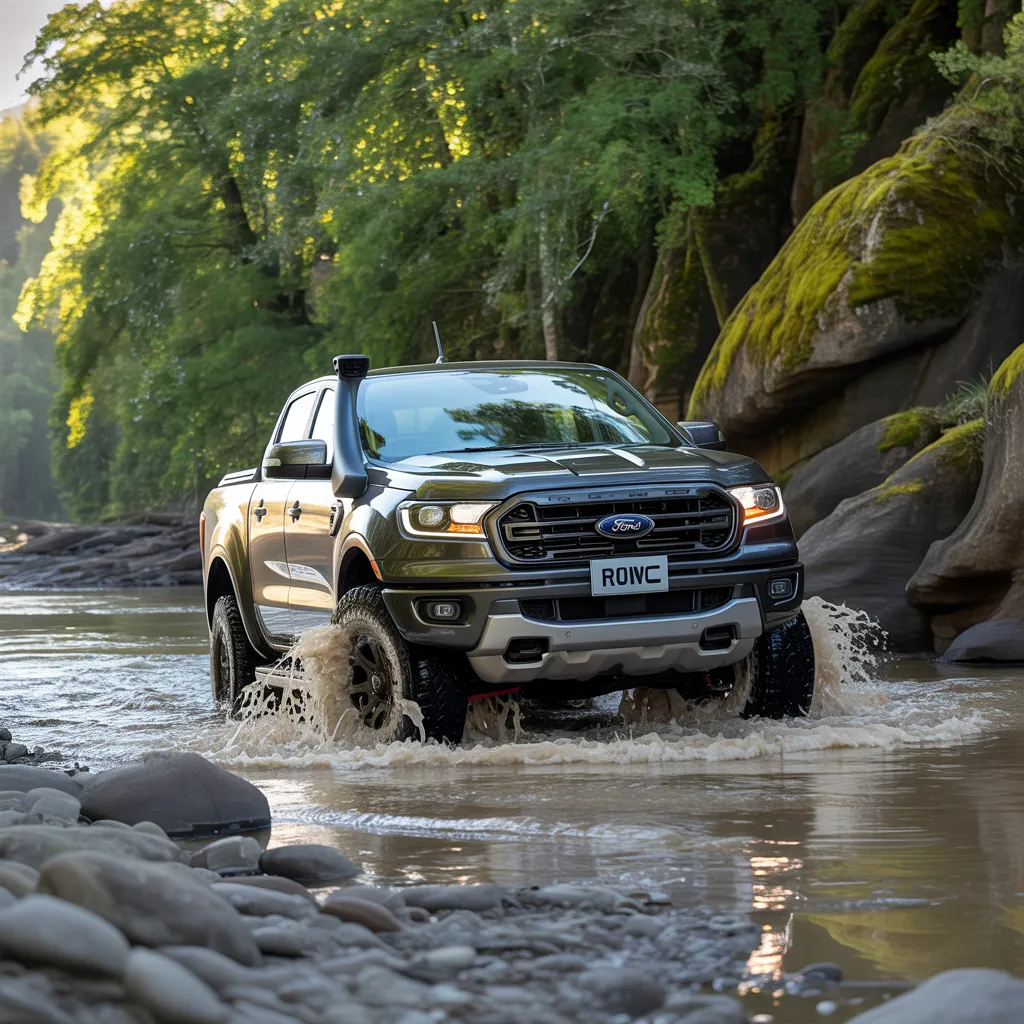
Recognize Frequent Engine Issues in Ford Ranger T6
Despite the Ford Ranger T6 being celebrated for its toughness, it is not exempt from engine issues that can impact performance and reliability. Typical concerns encompass oil leaks, commonly arising from gaskets or seals, which can cause decreased oil pressure and consequential engine damage. Additionally, fuel injector malfunctions may arise, resulting in rough idling and poor fuel economy. Owners may additionally encounter turbocharger issues, particularly in diesel models, which can diminish engine power and produce excessive exhaust smoke.
Another common issue is the timing belt and chain deterioration, which, if not addressed, can result in severe engine breakdown. Moreover, overheating may arise due to a defective cooling system, causing severe engine problems. These issues underscore the importance of regular maintenance and thorough inspections for prospective buyers to secure the lasting performance and dependability of the Ford Ranger T6.
Critical Overheating Indicators to Recognize in Ford Ranger T6
In the Ford Ranger T6, overheating commonly appears through distinct warning light indicators displayed on the dashboard. Moreover, a detailed examination of the coolant level is critical to preventing engine damage. Detecting these indicators at an early stage can assist in minimizing severe engine complications.
Warning Light Indicators
How does a driver recognize overheating in a Ford Ranger T6? The temperature warning light on the dashboard is one of the most significant indicators. If this light comes on, it is a clear signal that the engine temperature has gone beyond acceptable levels. In addition, drivers ought to stay vigilant for any abnormal smells, like burnt oil or coolant, that could be linked to an overheating engine. A sudden drop in engine performance or power can also indicate potential overheating issues. Noticing steam or smoke emerging from beneath the hood is another concerning symptom that requires immediate action. Regularly monitoring these warning light indicators and symptoms can help prevent severe engine damage, ensuring the longevity and reliability of the Ford Ranger T6.
Coolant Level Assessment
Tracking coolant levels is crucial for avoiding engine overheating in the Ford Ranger T6. A insufficient coolant level can result in engine overheating, potentially leading to severe damage. It is important to consistently monitor the coolant reservoir, confirming that the fluid is between the min and max indicators. Indicators of coolant leaks, such as pools of fluid under the car or a sugary scent, should not be ignored. Moreover, the temperature indicator on the dashboard should be watched; an high reading may signal insufficient coolant. A malfunctioning thermostat or radiator can also lead to overheating, necessitating immediate inspection. By remaining attentive about coolant levels and related symptoms, owners can preserve the condition of their Ford Ranger T6 and avoid costly repairs.
How to Identify Engine Leaks in the Ford Ranger T6
Pinpointing engine leaks in the Ford Ranger T6 calls for a trained eye and structured approach. The first step entails a visual inspection of the engine bay, searching for any indications of oil, coolant, or other fluids collecting beneath the vehicle. Frequent leak sources encompass the oil pan, valve covers, and gaskets. Employing a flashlight can help illuminate hard-to-see sections.
Additionally, the owner should check fluid levels regularly periodically; sudden drops may point to a undetected leak. A scent of burnt oil or coolant can additionally reveal a leak.
Furthermore, placing a fresh cardboard piece under the engine can intercept any drips, making it easier to locate the leak's source. In cases of persistent or severe leaks, it is advisable to seek professional assistance, as professional tools could be essential to accurately diagnose the problem. Regular monitoring can avoid additional damage and guarantee the durability of the vehicle.
What Oil Can Reveal About the Condition of Your Engine
The condition of engine oil functions as a vital signal of overall engine health in the Ford Ranger T6 model. By assessing the oil's color and examining its viscosity, mechanics can uncover possible concerns such as thermal damage or impurities. These assessments are essential for timely maintenance and preventing severe engine damage.
Oil Color Examination
In what ways does engine oil color indicate a vehicle's overall health? The color of engine oil acts as a key marker of its quality and underlying engine concerns. Freshly changed oil usually displays an amber hue, reflecting its optimal lubrication performance. Should the oil darken to a brown or black shade, it might suggest contamination or heavy wear, indicating the need for immediate oil replacement. Oil with a milky texture could indicate a coolant leak, which is a critical issue demanding prompt action. Additionally, the presence of metallic particles in the oil can signal engine wear or damage. Keeping track of the oil's color can thus function as a useful diagnostic method for potential Ford Ranger T6 buyers, helping them assess the engine's condition prior to purchase.
Viscosity Analysis Techniques
Viscosity evaluation serves a critical purpose in evaluating engine health, especially in the case of the Ford Ranger T6. This method evaluates the oil's ability to circulate, learn the details providing insights into lubrication effectiveness and engine wear. Proper viscosity guarantees that engine components are sufficiently protected, limiting surface contact and controlling temperature. A significant deviation from the manufacturer's recommended viscosity can suggest complications like contamination or oil degradation. Service professionals commonly utilize a viscometer to assess oil samples, checking for both temperature and shear conditions. Furthermore, lubricant that seems overly thick or thin may signal potential issues, warranting further investigation. Regular viscosity checks are essential for sustaining optimal engine function and durability, making them a key step in the pre-purchase examination process.
How Service History Impacts Engine Reliability
Routinely checking service history is essential for evaluating engine reliability in a Ford Ranger T6. A thorough service record offers a clear picture of the vehicle's maintenance practices, revealing how well former owners have cared for the engine. Regular oil changes, scheduled coolant replacements, and following manufacturer guidelines suggest a proactive approach to maintenance, which can increase the longevity of the engine.
Conversely, missing maintenance history or signs of neglect can indicate underlying problems. As an illustration, missed service intervals may result in sludge accumulation or deterioration of essential parts. Furthermore, recorded repairs shed light on past engine issues, allowing prospective buyers to assess whether recurring issues may affect reliability in the future.
Questions to Ask the Seller About Engine Performance
Comprehending past maintenance is only the beginning when assessing a Ford Ranger T6's engine performance. Interested buyers should ask the seller specific questions to determine the vehicle's mechanical state. Inquire about any prior engine repairs or overhauls, as well as the motivations for these repairs. Questions about the consistency of oil maintenance and the grade of oil utilized can shed light on maintenance diligence.
Additionally, inquiring about any alert lights on the dashboard or diagnostic codes can uncover underlying issues. Purchasers should also request information about the car's driving habits, such as whether it was primarily used for city driving or four-wheel driving, which can have an effect on engine condition. Ultimately, identifying the seller's motive for selling can shed understanding of possible issues. As a whole, these queries contribute to forming a more comprehensive picture of the Ford Ranger T6's engine reliability and performance.
Frequently Asked Questions
How Can You Identify Common Engine Wear Signs in the Ford Ranger T6?
Common signs of motor deterioration in a Ford Ranger T6 consist of abnormal sounds, too much exhaust smoke, reduced power output, higher than normal oil usage, and alert lights on the instrument panel, suggesting possible underlying problems that require attention.
What Is the Reliability of the Ford Ranger T6 Engine When Measured Against Competing Models?
The Ford Ranger T6 engine typically exhibits dependable performance relative to other trucks in its category. Drivers commonly note its long-lasting reliability, but routine maintenance is still necessary to maintaining its effectiveness and durability throughout its service life.
Which Engine Modifications Require My Careful Consideration?
Care should be taken with changes that significantly impact engine performance, such as forceful tuning modifications or aftermarket turbocharged systems, as they can strain the engine and lead to reliability issues, possibly nullifying warranties and raising upkeep expenses.
Are There Specific Engine Codes to Watch for in Diagnostics?
When identifying engine faults, particular diagnostic codes like P0300 (random misfire), P0420 (catalytic converter efficiency), and P0171 (lean fuel mixture) should be closely monitored. These codes may indicate deeper mechanical issues necessitating a thorough inspection.
What Effect Does Driving Style Have on the Ford Ranger T6 Engine Lifespan?
Your driving habits significantly influences the Ford Ranger T6's engine longevity. Forceful acceleration, regular high-rev driving, and inadequate warm-up can cause excessive wear, while gentle driving and regular maintenance promote peak performance and prolonged engine life.